its weird to think horses were ever ‘prey animals’ because what fucking predator looks at a 8 foot tall ENORMOUS beast with pitch black devils eyes, terrifying teeth and extremely powerful legs and think ‘yeah lets go attack that one’
well moose are still prey animals so
thats fucked up, a moose is like a horse with extra weapons
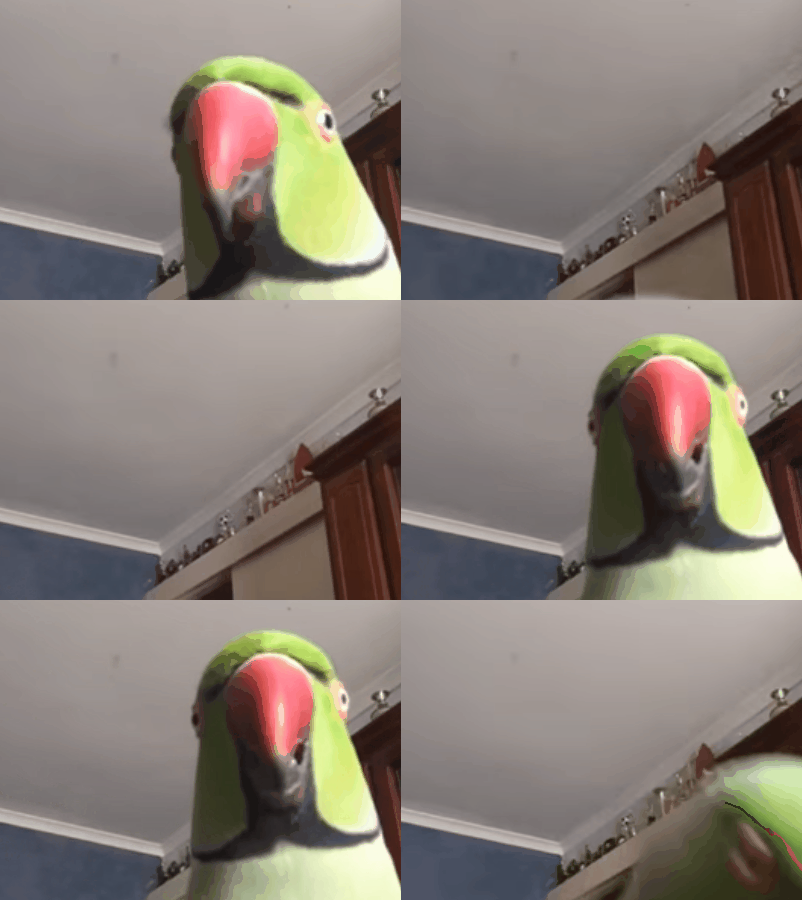
Can animals actually dance to music? Is that a thing because every time my friend puts on music her bird goes nuts and starts swaying and chirping along
If there is no music my bird will start clicking to encourage me to make a beat for them to dance to
Mine does that too! She’ll make a knocking/hammering noise and start headbanging because she wants me to put on music or clap for her.
Oh I have some science for y’all, lemme get to my PC!
Okay science time!
Short answer: Some animals appreciate music, some don’t. Some can dance, most do not. It’s dependent on certain types of intelligence.
Long answer…
Birds do like music, they understand rhythm, and they can truly dance! Birds are incredibly intelligent animals, not because of the size of their brains, but the density of neurons means they pack a lot of smarts into a very small braincase. Birds also have some specializations in their intelligence that other animals do not that can make them more likely to dance!
Birds are vocal animals! They learn vocalizations (and in some species even names, called signature contact calls, that they use to identify and find individuals) from their flock, and use sound to navigate their social environment. This means that birds, namely songbirds and parrots, have adapted to have large portions of their brains dedicated to processing sound. They spend a lot of time and energy hearing, paying attention to, processing, mimicking, and thinking about sounds that they hear because their survival depends on it! Now what does that have to do with dancing? A lot, but perhaps not as much as the next thing:
How animals communicate with each other and form social connections. Many birds live in flocks. Their ability to survive, thrive, and reproduce depends on their interactions with other birds. Now sound plays a huge role in socialization, but so does body language! Parrots especially have very complex social lives and subtle nuances to interacting with each other, and they have evolved very elaborate ways to communicate with each other using body language, both behaviorally and physically!
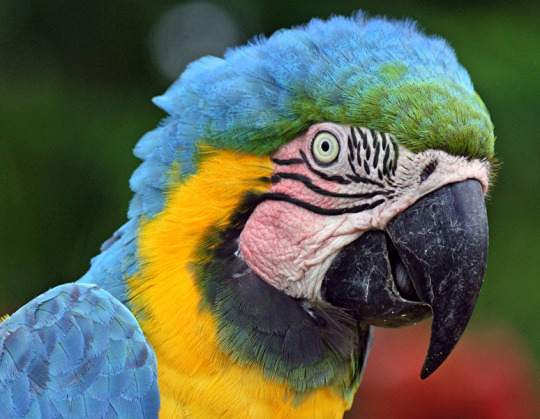
They have brightly colored eyes and control over their pupil size:
Macaws blush;
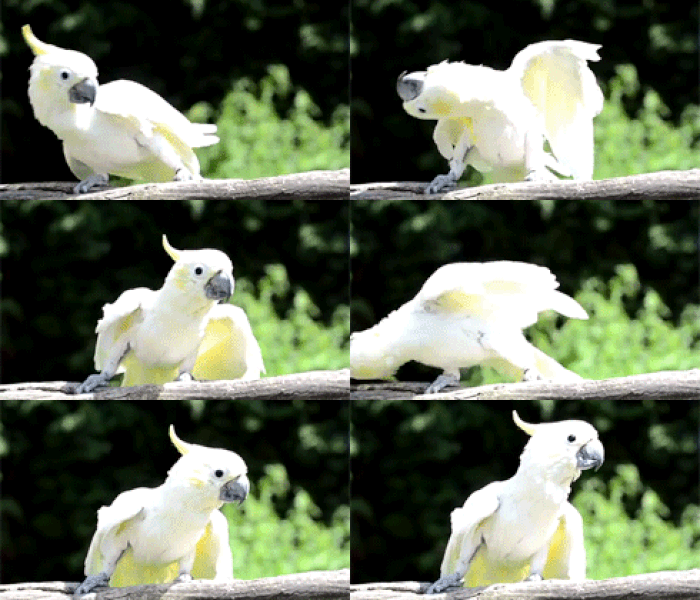
And cockatoos, arguably some of the best dancers in the parrot family, love to raise their crests, spread their wings, and bob and duck and do all sorts of dance-y things naturally to communicate!
Perhaps most remarkably, black palm cockatoos actually create their own music, using rocks and sticks as drumsticks to bang rhythmically on trees! All with absolutely zero training or human intervention.
Birds don’t perfectly match up with the beat when dancing to music. Actually, their rhythm-keeping skills are about on par with human toddlers. But they do do their best to get into the beat. It just feels good to dance when you’ve got a brain complex enough to process music!
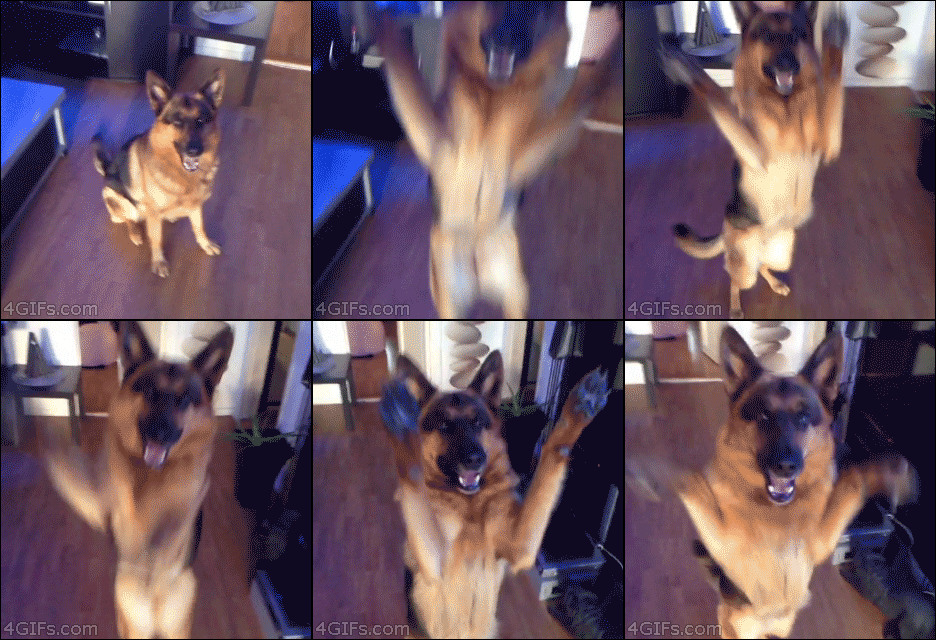
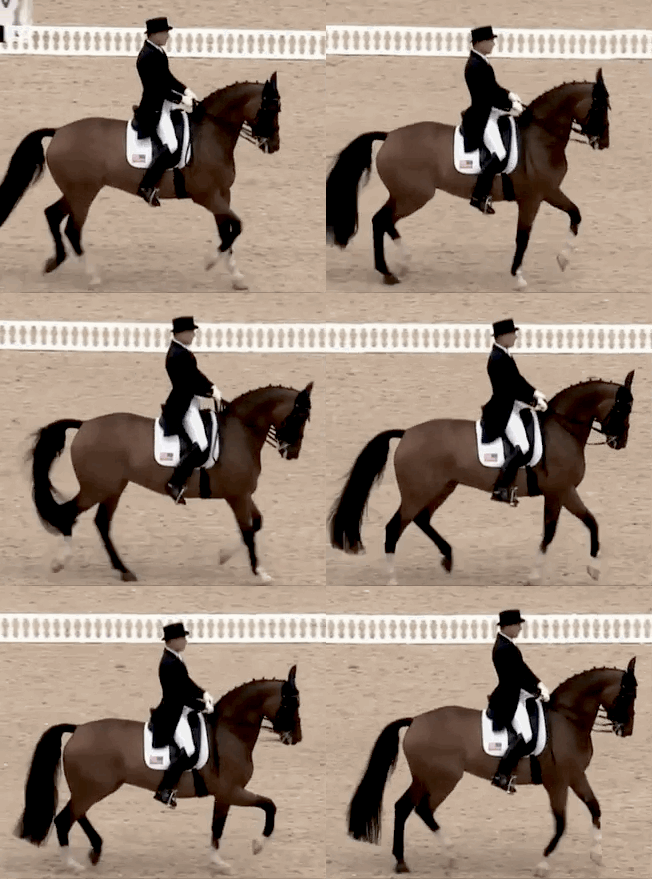
But what about other animals? Dogs dance, right? And horses?
… Not exactly. Almost every single example of other species of animals dancing are either trained behaviors, or coincidence. Except for one other animal. Can you guess what it is?
Well,
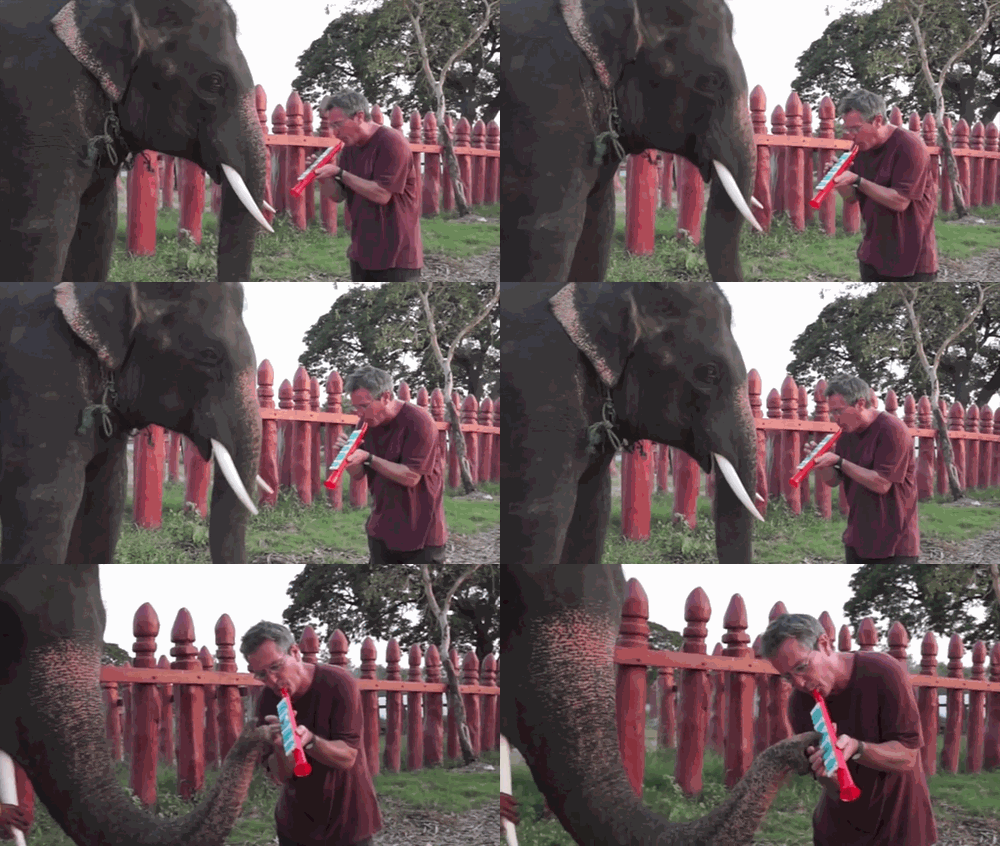
It’s elephants! And they fulfill all the characteristics of dancing animals. Complex brains? Check. Auditory intelligence? Check. Highly social? Check!
This isn’t all to say that other animals don’t enjoy music– many animals enjoy listening to certain kinds of music for all sorts of reasons. But so far, only birds, elephants, and humans are proven dancers.
My science may not be 100% spot on– I encourage you to do your own research and debunk anything I got wrong or add something I missed!
Big Horses are a Very New Thing and they Likely Didn’t Exist in your Historical and/or Fantasy Settings.
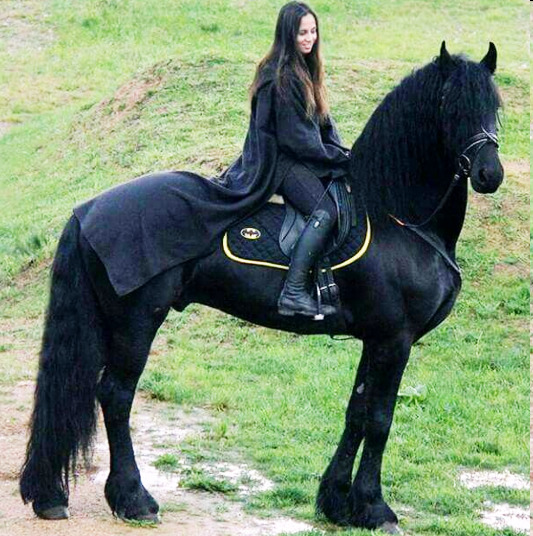
You’ve all seen it in every historical piece of media ever produced. Contrary to popular belief, a big black horse with long legs and long flowing mane is not a widespread or even a particularly old type of horse.
THIS IS NOT A MEDIEVAL THING. THIS IS NOT EVEN A BAROQUE THING. THIS IS A NINETEENTH CENTURY CITY CARRIAGE HORSE.
All the love to fancy Friesian horses, but your Roman general or Medieval country heroine just really couldn’t, wouldn’t, and for the sake of my mental health shouldn’t have ridden one either.
Big warmblood horses are a Western European and British invention that started popping up somewhere around 1700s when agriculture and warfare changed, and when rich folks wanted Bigger Faster Stronger Thinner race horses. The modern warmblood and the big continental draught both had their first real rise to fame in the 1800s when people started driving Fancy Carriages everywhere, and having the Fanciest Carriage started to mean having the Tallest and Thinnest Horses in the town.
Before mechanised weaponry and heavy artillery all horses used to be small and hardy easy-feeders. Kinda like a donkey but easier to steer and with a back that’s not as nasty and straight to sit on.
SOME REAL MEDIEVAL, ROMAN, OTTOMAN, MONGOL, VIKING, GREEK and WHATEVER HISTORICALLY PLAUSIBLE HORSES FOR YOU:
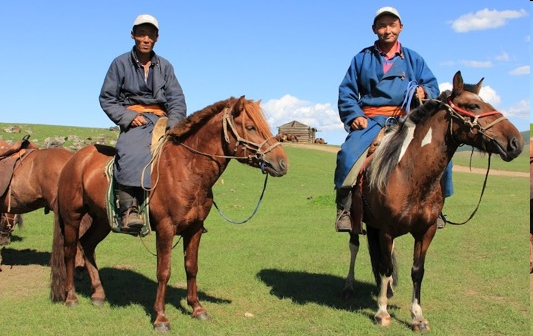
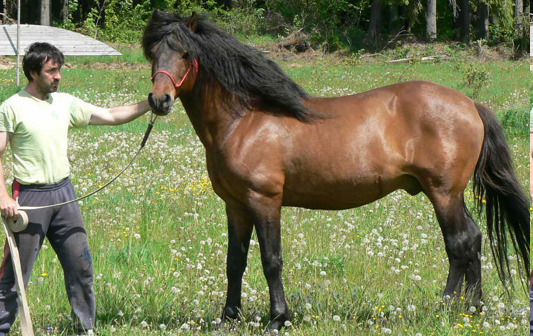
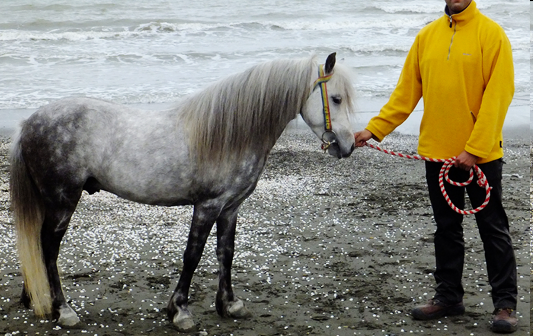
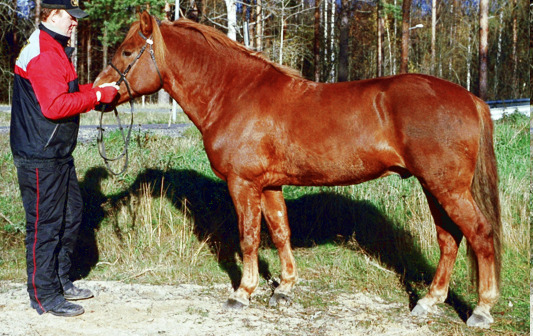
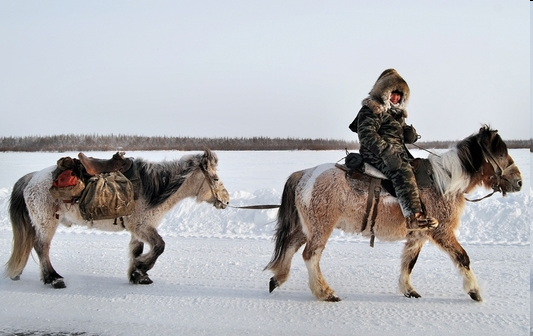
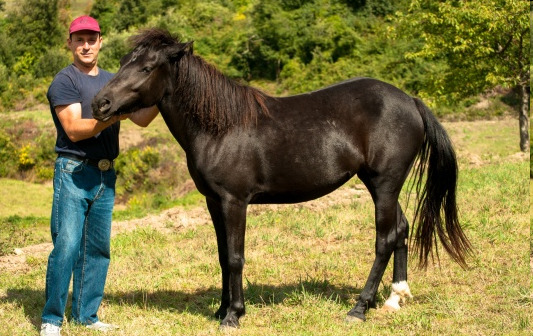
“Primitive”, native breeds all over the globe tend to be only roughly 120-140 cm (12.0 – 13.3 hh) tall at the withers. They all also look a little something like this:
Mongolian native horse (Around 120-130 at the withers, and decendants of the first ever domesticated horses from central Asia. Still virtually unchanged from Chinggis Khan’s cavalry, ancestor to many Chinese, Japanese and Indian horses, and bred for speed racing and surviving outdoors without the help of humans.)
Carpathian native horse / Romanian and Polish Hucul Pony (Around 120-150 at the withers, first mentioned in writing during the 400s as wild mountain ponies, depicted before that in Trajanian Roman sculptures, used by the Austro-Hungarian cavalry in the 19th century)
Middle-Eastern native horse / Caspian Pony (Around 100-130 at the withers, ancestor of the Iranian Asil horse and its decendants, including the famous Arabian and Barb horses, likely been around since Darius I the Great, 5th century BC, and old Persian kings are often depicted riding these midgets)
Baltic Sea native horse / Icelandic, Finnish, Estonian, Gotland and Nordland horses (Around 120-150 at the withers, descendant of Mongolian horses, used by viking traders in 700-900 AD and taken to Iceland. Later used by the Swedish cavalry in the 30 years war and by the Finnish army in the Second World War, nowadays harness racing and draught horses)
Siberian native horse / Yakutian pony (Around 120-140 at the withers, related to Baltic and Mongolian horses and at least as old, as well-adapted to Siberian climate as woolly mammoths once were, the hairiest horse there is, used in draught work and herding)
Mediterranean native horse / Skyros pony, Sardinian Giara, Monterufolino (Around 100-140 at the Withers, used and bred by ancient Greeks for cavalry use, influenced by African and Eastern breeds, further had its own influence on Celtic breeds via Roman Empire, still used by park ranger officers in Italy)
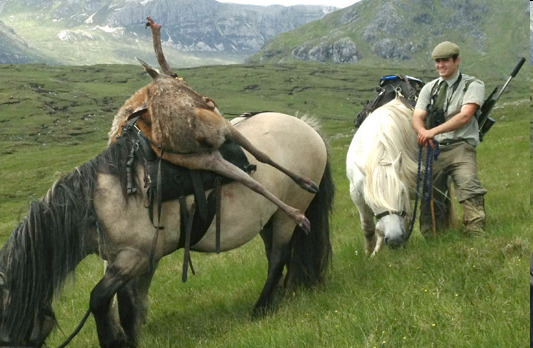
British Isles’ native horse / various “Mountain & Moorland” pony breeds (Around 100-150 at the withers, brought over and mixed by Celts, Romans and Vikings, base for almost every modern sport pony and the deserving main pony of all your British Medieval settings. Some populations still live as feral herds in the British countryside, used as war mounts, draught horses, mine pit ponies, hunting help and race horses)
So hey, now you know!
How the hell do you ride some of these things into battle?
I feel like I’d break the damn things riding them, much less a 200 pound knight in half plate.
Easily! First of all, people used to be smaller back in history.
Second of all, riding a horse demands fitness, no matter the size of the horse. The weight of the rider matters less if they are in good physical shape. A rider out of shape at 60 kilos / 133 lbs / 9.4 stone with no control over their seat shaking about in a slumped position will feel heavier for the horse than a rider at 70 kg / 155 lbs / 11 stone if they have good control over their own balance and muscles.
Third, heavy plate armour is one of the first reasons for breeding heavier horses, and came into fashion in the 16th century. But even a half plate jousting armour usually weighs only about 50kg. The modern weight guide for riding an Icelandic horse is around 80-100 kg / 177-220 lbs / 12.5-15.7 stone, so they can carry a lot of weight compared to their size. And Icelandic horse wasn’t even bred for heavy armour!
If you wear a heavy plate armour, you need a heavy horse. Still doesn’t mean tall. I gathered some draught horse / cavalry / knight type pictures for you.
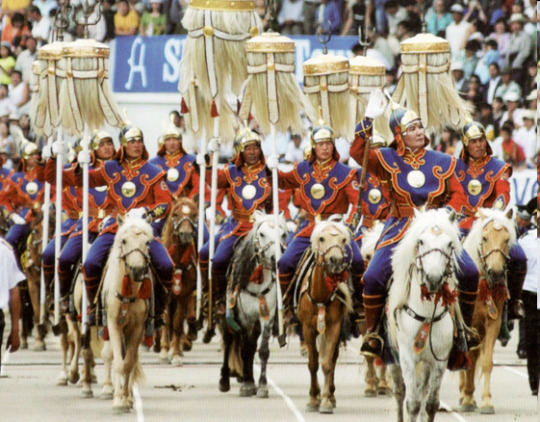
Mongolian riders with Mongolian horses in Naadam parade garb. Traditionally light cavalry, for archers and lancers, or long-distance travel.
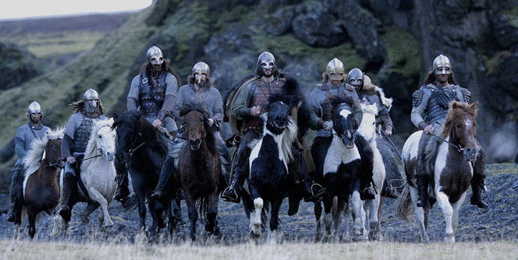
Icelandic riders with Icelandic horses in Viking-type armour, traditionally light cavalry or long-distance travel. They wear chainmail and lamellar armour.
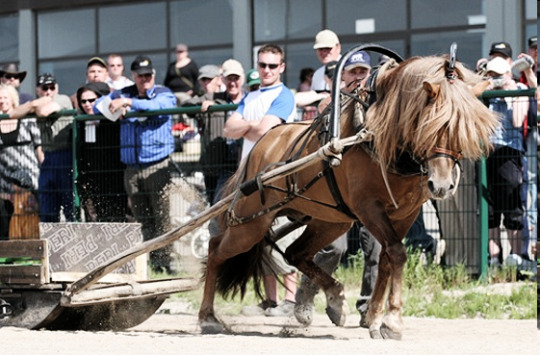
When pulling, horses are even stronger than when carrying. The Finnhorse is not a heavy continental draught, but compared to its size it’s one of the strongest breeds in existence. An average draught horse pulls around 80% of its weight. This is pony-sized (138 cm / 13.2 hh) Finnhorse stallion Vuohimäen Havu, weighing at 340 kg / 750 lbs, and his weight pull record is206% of his own weight. He could haul around another horse twice his size.
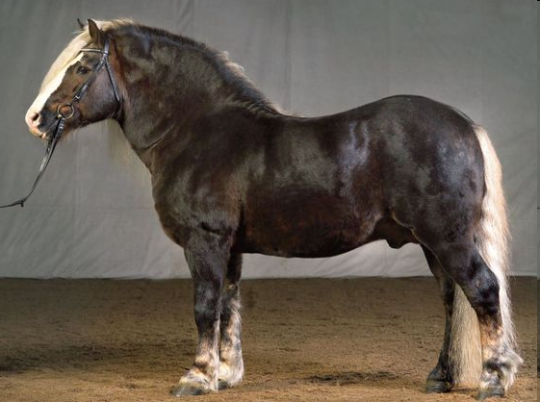
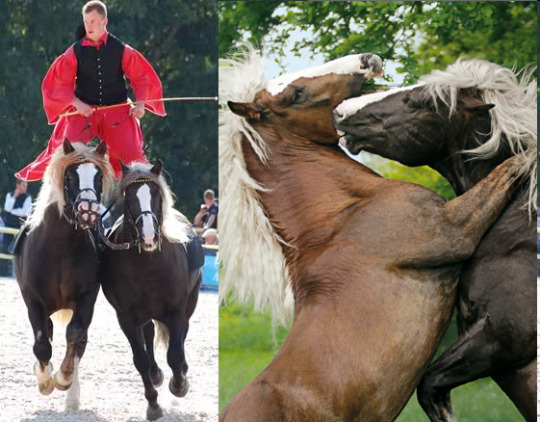
And if we take a heavier continental-type draught horse, for example the Black Forest Horse from Germany (Schwarzwälder), you’ll see that heavy horse doesn’t have to be tall. The average height ranges from only 14.2 hh (pony-sized) to 15.3 hh, and in centimetres that’s 147-160. Still I doubt you could crush one of these tractors even if you tried.
People and horses before you have already tested that. They weigh around 550-640 kg or 1200-1400 lbs. The Finnish stallion above could pull the dead weight of one of these and vice versa.
“At one stage, when the crew wants to get Cavill next to some horses, he shows some thoroughbred competence. A fashion assistant is caught wrist-deep in the mouth of one horse. The great creature snapped up a Nespresso-sized sugar cube from her palm and didn’t want to let go.Cavill has his moment, placing a hand on its forehead and another near its nose, calming it down with a firm voice, all while wearing a Tom Ford knit and Prada loafers. Women swoon. Men swoon. The show goes on.” [x]
Henry Cavill | GQ Australia Magazine | Behind the Scenes
““Horses are of a breed unique to Fantasyland. They are capable of galloping full-tilt all day without a rest. Sometimes they do not require food or water. They never cast shoes, go lame or put their hooves down holes, except when the Management deems it necessary, as when the forces of the Dark Lord are only half an hour behind. They never otherwise stumble. Nor do they ever make life difficult for Tourists by biting or kicking their riders or one another. They never resist being mounted or blow out so that their girths slip, or do any of the other things that make horses so chancy in this world. For instance, they never shy and seldom whinny or demand sugar at inopportune moments. But for some reason you cannot hold a conversation while riding them. If you want to say anything to another Tourist (or vice versa), both of you will have to rein to a stop and stand staring out over a valley while you talk. Apart from this inexplicable quirk, horses can be used just like bicycles, and usually are. Much research into how these exemplary animals come to exist has resulted in the following: no mare ever comes into season on the Tour and no stallion ever shows an interest in a mare; and few horses are described as geldings. It therefore seems probable that they breed by pollination. This theory seems to account for everything, since it is clear that the creatures do behave more like vegetables than mammals. Nomads appears to have a monopoly on horse-breeding. They alone possess the secret of how to pollinate them.””
—
The Tough Guide to Fantasyland – Diana Wynne Jones
Saw a discussion about horses in fantasy scenario’s elsewhere, but it got into a fascinating discussion about the evolution of horses and I didn’t want to derail it, but this was too good not to share.
me, watching a battle scene: please not the horses. leave them alone. they did nothing wrong. they are the only innocent ones. they don’t deserve this.
honestly this used to upset me a lot as a kid until my mom, who’s worked with horses for many years, told me about how they train the horses in those movies to do things like falling down, kneeling, crawling, or stay laying on the ground after they fall. and how it’s so tough to train a prey animal to do these behaviors and how hard both trainer and horse have to work. so now whenever i see a horse take a hit and go down in a movie, i just think “fucking superb you funky little horse actor”



 wupacing