When a character doesn’t realize they’ve been, like, shot or whatever and they hand brushes against their side and comes away wet with blood, and they’re just staring at it like wtf is this and then their knees just totally give out on them and they sink down, maybe gasping a little as the reality finally hits them. That’s good stuff.
I see that, and raise you a character who knows they’ve been shot, but waits until the rest of their crew is out of sight to put their hand against the slowly spreading stain of blood on their shirt, then trying to steady their breathing so they can follow without letting on how injured they are.
Okay but like the character who doesn’t realize they’ve been hurt trying to see if everyone else is okay only to slowly realize that everyone is looking at them with mounting horror. Then they touch their side to find it’s wet and oh no
There is something new in the deep, murky depths of the ocean. You can hear the fish whisper about it as they dart past, silvery streamlined streaks of gossip and fear. There is something new, they say, resting in the seas. The sharks rumble about it, wary for their stature. You can see the whites of their eyes when they talk about it, nervous. You are told it does not sit on the floor, in the silt. No, It stays floating, unmoved. The whales usually come to you with songs and stories that you can hear for miles, but today there is no music, they are silent, and you are afraid. There is something new in those deep, murky depths, says the kraken, ancient and wise, fleeing to somewhere shallower. There is something new, and it is hungry. The fish flee, the sharks soon after, and the waters are quiet. With no food left, where will it go?
YO MOMMA SO BIG SHE SCARED AWAY THE GODDAM KRAKKEN
I call upon the fan fic writing gods to bless you with the perseverance to finish one of your unfinished drafts.
May your fingers dance along the letters upon your device with ease, may the devil of distraction stay far from you, and may your work not need much editing.
I pass this blessing upon every fan fic writer out there.
So, let me guess– you just started a new book, right? And you’re stumped. You have no idea how much an AK47 goes for nowadays. I get ya, cousin. Tough world we live in. A writer’s gotta know, but them NSA hounds are after ya 24/7. I know, cousin, I know. If there was only a way to find out all of this rather edgy information without getting yourself in trouble…
You’re in luck, cousin. I have just the thing for ya.
I got your back, cousin. Just head over to Havocscope.
((PS: In case you’re wondering, Havocscope is a database full of information regarding the criminal underworld. The information you will find there has been taken from newspapers and police reports. It’s perfectly legal, no need to worry about the NSA hounds, cousin ;p))
“Below are selected prices that are paid to professional assassins by criminal organizations and drug cartels for a contract hit.
In Australia, the median price to hire a hit man is $13,610 (9,800 Euros), with the price going up to $83,000 (60,000 Euros) based on the task.
In Mexico, the cost for a low level assassin is $208 (150 Euros), and up to $20,832 (15,000 Euros) for a higher profile target like a police chief.
The prices paid in Argentina are between $3,749 (2,700 Euros) to $5,555 (4,000 Euros) per hit.
Government statistics in Spain state that 40 assassinations take place each year, with prices for the hit ranging between $27 (20 Euros) to $69,000 (50,000 Euros).”
So cheap! I always thought things like this would cost more than $1 million…
This is super useful to know!
and not just for writing!!
bLESS
Who is out here underselling themselves, giving out assassinations for $27?
damn knockoff assassins, tanking the murder market with their undercutting
“Shh, it’s alright,” the villain said. “You’re doing beautifully and I’m so proud of you. But that’s enough now. It was cruel of them to make you fight me – you could never have won. It’s not your fault.”
The ancient and powerful villain may have had a calm and gentle face as he spoke, but he was furious, not at the hero, but the gods for continually sending kids and teenagers to fight their battles.
please be respectful of cultural boundaries when working with mermaids from various cultures and traditions, and be mindful not to intrude.
🌊 Rusalkas – slavic in origin, disturbed spirits of the “unclean dead”, ghosts of women who died violent deaths, with a penchant for drowning young men. they live only in rivers and lakes, and are known to have green hair like aquatic plants, only appearing in the night.
🌊 Melusina – a mermaid that walks among humans, but returns to their two-tailed form during baths and when they bathe their children. often a water spirit of a nearby lake or river. french origin.
🌊 Siren – greek mythology. servants and companions of persephone, whom searched for her when she was abducted. they are known to sometimes have the body of a bird, and for their song, which lured sailors to their doom. cannibalism implied folklore. have the power of prophecy.
🌊 Merrow – irish mermaid. known to have green hair and webbed fingers. particular noted love of music and their red cap, which when stolen, they will live with the thief until they find it, and then return to the water, leaving even a whole family behind.
🌊 Ben-varrey – from the isle of man, known to bless those that are kind to them with prosperity, gifts, and even the location of treasure.
🌊 Aicaya –
Caribbean mermaid, humans who become mermaids when they are shunned from their community and go to live in the sea.
🌊 Amabie – japanese merpeople, with birdlike torsos and three legs and scales. they are gifted with prophecy, usually foretelling abundant harvests or epidemics
🌊 Ningyo – “human faced fish” known to have golden scales, that brings bad weather and misfortune when caught, but when their flesh is eaten the consumer is granted youth and beauty, even agelessness.
🌊 Finman / Finwife – magical shapeshifters that disguise themselves as sea creatures or plants to lure humans, unlike most mermaids they kidnap people from the shores to be their spouses or servants. they have a greed for jewelry and coins, particularly silver, and prefer humans over other finfolk.
🌊 Sirena Chilota – considered the more friendly mermaids, caring for all fish life and rescuing drowned sailors to restore life to them. known for their human-like beauty and youth, according to legend they are the child of a human and a “king of seas”, tears are a powerful substance. from chilote mythology.
🌊 Cecealia – sometimes known as “sea witches”, they are half human and half octopus. origins in native american and japanese mythology.
🌊 Sirena / Siyokoy – the philippine version of mermaid and merman respectively. also called “magindara”, they are known to protect the waters from raiders, and protect the boy moon from sea monsters. Siyokoys can sometimes have legs however, covered with scales and webbed feet
🌊 Sea Mither – scottish/orcadian mythology, a spirit that personifies the sea during spring and summer, battles along scottish isles using storms to bring the summer about. a mother figure to all aquatic life.
🌊 Ceasg – a fresh-water mermaid, specifically half-salmon, said to grant three wishes if captured. sometimes called maighdean na tuinne (maid of the wave) or maighdean mhara (maid of the sea). scottish.
🌊 Selkie – though somewhat different from the typical mermaid, as they are not cold-blooded, have the body of a seal in the water and are human on land. in legends their skins are often stolen and they are kept by fishermen as spouses, or become lovers to fishermen’s wives who shed tears into the sea.
adenoidal: if someone’s voice is adenoidal, some of the sound seems to come through their nose
appealing: an appealing look, voice etc shows that you want help, approval, or agreement
breathy: with loud breathing noises
brittle: if you speak in a brittle voice, you sound as if you are about to cry
croaky: if someone’s voice sounds croaky, they speak in a low rough voice that sounds as if they have a sore throat
dead: if someone’s eyes are dead, or if their voice is dead, they feel or show no emotion
disembodied: a disembodied voice comes from someone who you cannot see
flat: spoken in a voice that does not go up and down. This word is often used for describing the speech of people from a particular region.
fruity: a fruity voice or laugh is deep and strong in a pleasant way
grating: a grating voice, laugh, or sound is unpleasant and annoying
gravelly: a gravelly voice sounds low and rough
gruff: a gruff voice has a rough low sound
guttural: a guttural sound is deep and made at the back of your throat
high-pitched: a high-pitched voice or sound is very high
hoarse: someone who is hoarse or has a hoarse voice speaks in a low rough voice, usually because their throat is sore
honeyed: honeyed words or a honeyed voice sound very nice but you cannot trust the person who is speaking
husky: a husky voice is deep and sounds hoarse (=as if you have a sore throat), often in an attractive way
low adjective: a low voice or sound is quiet and difficult to hear
low adverb: in a deep voice, or with a deep sound
matter-of-fact: used about someone’s behaviour or voice
modulated: a modulated voice is controlled and pleasant to listen to
monotonous: a monotonous sound or voice is boring and unpleasant because it does not change in loudness or become higher or lower
nasal: someone with a nasal voice sounds as if they are speaking through their nose
orotund: an orotund voice is loud and clear
penetrating: a penetrating voice or sound is so high or loud that it makes you slightly uncomfortable
plummy: a plummy voice or way of speaking is considered to be typical of an English person of a high social class. This word shows that you dislike people who speak like this.
quietly: in a quiet voice
raucous: a raucous voice or noise is loud and sounds rough
ringing: a ringing sound or voice is very loud and clear
rough: a rough voice is not soft and is unpleasant to listen to
shrill: a shrill noise or voice is very loud, high, and unpleasant
silvery: a silvery voice or sound is clear, light, and pleasant
singsong: if you speak in a singsong voice, your voice rises and falls in a musical way
small: a small voice or sound is quiet
smoky: a smoky voice or smoky eyes are sexually attractive in a slightly mysterious way
softly spoken: someone who is softly spoken has a quiet gentle voice
sotto voce adjective, adverb: in a very quiet voice
stentorian: a stentorian voice sounds very loud and severe
strangled: a strangled sound is one that someone stops before they finish making it
strangulated: strangled
strident: a strident voice or sound is loud and unpleasant
taut: used about something such as a voice or expression that shows someone is nervous or angry
thick: if your voice is thick with an emotion, it sounds less clear than usual because of the emotion
thickly: with a low voice that comes mostly from your throat
thin: a thin voice or sound is high and unpleasant to listen to
throaty: a throaty sound is low and seems to come from deep in your throat
tight: a tight voice or expression shows that you are nervous or annoyed
toneless: a toneless voice does not express any emotion
tremulous: if something such as your voice or smile is tremulous, it is not steady, for example because you are afraid or excited
wheezy: a wheezy noise sounds as if it is made by someone who has difficulty breathing
wobbly: if your voice is wobbly, it goes up and down, usually because you are frightened, not confident, or are going to cry
Just about every writer out there has several go-to websites that they use when it comes to their writing. Be it for creativity, writer’s block, to put you in the mood or general writing help. These are mine and I listed them in hopes that you’ll find something that you’ll like or find something useful. I’ve also included some websites that sounded interesting, but I haven’t tried out yet.
Spelling & Grammar
Grammar Girl – Grammar Girl’s famous Quick and Dirty Tips (delivered via blog or podcast) will help you keep your creative writing error free.
The Owl – is Purdue University’s Online Writing Lab (OWL) it’s a great resource for grammar guides, style tips and other information that can help with your writing, especially academics.
Tip of My Tongue — have you ever had trouble of thinking of a specific word that you can’t remember what it is? Well, this site will help you narrow down your thoughts and find that word you’ve been looking for. It can be extremely frustrating when you have to stop writing because you get a stuck on a word, so this should help cut that down.
Free Rice – is a great way to test your vocabulary knowledge. What’s even better about this site is that with every correct answer, they donate 10 grains of rice to the United Nations World Food Program. So, please disable your adblock since they use the ads on the site to generate the money to buy the rice.
HyperGrammar – the University of Ottawa offers up a one-stop guide for proper spelling, structure, and punctuation on this site.
AutoCrit – the AutoCrit Editing Wizard can check writing for grammar errors, clichés and other no-no’s. It also provides a number of other writing resources as well.
Writer’s Digest– learn how to improve your writing, find an agent, and even get published with the help of the varied blogs on this site.
Syntaxis – it allows you to test your knowledge of grammar with a ten-question quiz. The questions change every time you take the quiz so users are sure to be challenged each time around. It definitely helps writers know if there’s something that they need to brush up on.
Word Frequency Counter – this counter allows you to count the frequency usage of each word in your text.
EditMinion – is a free robotic copy editor that helps you to refine your writing by finding common mistakes.
BBC – has a section for helping you with your skills, especially in writing, from grammar to spelling, to reading, to listening and to speaking.
Tools
Copyscape – is a free service that you can use to learn if anyone has plagiarized your work. It’s pretty useful for those that want to check for fanfiction plagiarism.
Plagium – is another a copy detection system, that provides a very similar service to Copyscape and uses Yahoo! rather than Google to perform its searches. Just keep in mind that searches for simple text up to 25,000 characters remains free of charge, but any larger requires credits to be purchase.
Write or Die – is an application for Windows, Mac and Linux which aims to eliminate writer’s block by providing consequences for procrastination.
Written? Kitten! – is just like Write or Die, but it’s a kinder version. They use positive reinforcement, so every time you reach a goal they reward you with an adorable picture of a kitten.
Fast Fingers – offers you an easy way to improve your typing skills. It’s puts you through a quick typing game that tests your typing speed and improves it at the same time. It’s also a great way for writers to warm up.
Information & Data
RefDesk – it has an enormous collection of reference materials, searchable databases and other great resources that can’t be found anywhere else. It’s great to use when you need to find something and check your facts.
Bib Me – it makes it easy to create citations, build bibliographies and acknowledge other people’s work. This is definitely something that academics will love. It’s basically a bibliography generator that automatically fills in a works cited page in MLA, APA, Chicago or Turbian formats.
Internet Public Library – this online library is full of resources that are free for anyone to use, from newspaper and magazine articles to special collections.
The Library of Congress – if you’re looking for primary documents and information, the Library of Congress is a great place to start. It has millions of items in its archives, many of which are accessible right from the website.
Social Security Administration: Popular Baby Names – is the most accurate list of popular names from 1879 to the present. If your character is from America and you need a name for them, this gives you a accurate list of names, just pick the state or decade that your character is from.
WebMD – is a handy medical database loaded with information. It’s not a substitute for a doctor, but can give you a lot of good information on diseases, symptoms, treatments, etc.
– is the National Institutes of Health’s Web site that contains information about diseases, conditions, and wellness issues in language you can understand. It also offers reliable, up-to-date health information, anytime, anywhere, for free.
You can use the site to learn about the latest treatments, look up information on a drug or supplement, find out the meanings of words, or view medical videos or illustrations. You can also get links to the latest medical research on your topic or find out about clinical trials on a disease or condition.
Its current priorities include communicable diseases, in particular HIV/AIDS, Ebola, malaria and tuberculosis; the mitigation of the effects of non-communicable diseases; sexual and reproductive health, development, and ageing; nutrition, food security and healthy eating; occupational health; substance abuse; and driving the development of reporting, publications, and networking.
Google Scholar – is an online, freely accessible search engine that lets users look for both physical and digital copies of articles. It searches a wide variety of sources, including academic publishers, universities, and preprint depositories and so on. While Google Scholar does search for print and online scholarly information, it is important to understand that the resource is not a database.
The Old Farmer’s Almanac – this classic almanac offers yearly information on astronomical events, weather conditions and forecasts, recipes, and gardening tips.
State Health Facts – Kaiser Family Foundation provides this database, full of health facts on a state-by-state basis that address everything from medicare to women’s health.
U.S. Census Bureau – you can learn more about the trends and demographics of America with information drawn from the Census Bureau’s online site.
Wikipedia – this shouldn’t be used as your sole source, but it can be a great way to get basic information and find out where to look for additional references.
Finding Data on the Internet – a great website that list links that can tell you where you can find the inflation rate, crime statistics, and other data.
Word References
RhymeZone – whether you’re writing poetry, songs, or something else entirely, you can get help rhyming words with this site.
Acronym Finder – with more than 565,000 human-edited entries, Acronym Finder is the world’s largest and most comprehensive dictionary of acronyms, abbreviations, and initials.
Symbols.com – is a unique online encyclopedia that contains everything about symbols, signs, flags and glyphs arranged by categories such as culture, country, religion, and more.
OneLook Reverse Dictionary – is a dictionary that lets you describe a concept and get back a list of words and phrases related to that concept. Your description can be a few words, a sentence, a question, or even just a single word.
The Alternative Dictionaries – is a site that you can look up slang words in all types of languages, including Egyptian Arabic, Cherokee, Cantonese, Norwegian and many, many others.
Online Etymology Dictionary – it gives you the history and derivation of any word. Etymologies are not definitions; they’re explanations of what our words meant and how they sounded 600 or 2,000 years ago.
MediLexicon– is a comprehensive dictionary of medical, pharmaceutical, biomedical, and health care abbreviations and acronyms.
Merriam Webster Online – the online version of the classic dictionary also provides a thesaurus and a medical dictionary.
Multilingual Dictionary – it translate whatever you need from 30 different languages with this easy-to-use site.
Writing Software
Open Office – why pay for Microsoft products when you can create free documents with Open Office? This open source software provides similar tools to the Microsoft Office Suite, including spreadsheets, a word processor, the ability to create multimedia presentations, and more.
LibreOffice – is a free and open source office suite. It was forked from OpenOffice.org in 2010, which was an open-sourced version of the earlier StarOffice. The LibreOffice suite comprises programs to do word processing, spreadsheets, slideshows, diagrams and drawings, maintain databases, and compose math formula.
Scrivener – is not a free program, but it’s certainly a very popular one. It’s great for organizing research, planning drafts, and writing novels, articles, short stories, and even screenplays.
OmmWriter – is for Mac OS X, a free simple text processor that gives you a distraction free environment. So you can focus only on your writing without being tempted or distracted by other programs on your computer. They are currently working on a Windows version of their software as well, so keep an eye out for that if you’re interested.
FocusWriter – is another free distraction-free writing application that keeps your writing space simple and clean without sacrificing functionality. It includes a daily goal tracker—work count and time spent writing—spell checking, real-time feedback on variables like word and page count, and tabbed document browsing. The great thing about this is that it’s available for Windows, Mac and Linux.
Q10 – is a free portable distraction-free writing tool for Windows. The interface includes nothing but a tiny bar at the bottom that displays the character, word, and page count—you can toggle the bar off for a totally distraction free workspace.
Evernote – is a free app for your smartphone and computer that stores everything you could possibly imagine losing track of, like a boarding pass, receipt, article you want to read, to do list, or even a simple typed note. The app works brilliantly, keeping everything in sync between your computer, smartphone, or tablet. It’s definitely a useful app for writers when you have ideas on the go.
Storybook – this open source software can make it easier to manage your plotlines, characters, data, and other critical information while penning a novel.
ScriptBuddy – is a full-fledged screenplay software program. It handles the proper screenplay format automatically, so you can concentrate on your story. It is easy to use and the basic version is free.
TheSage – is a free application, which is a comprehensive English dictionary and thesaurus that provides a number of useful and in some cases unusual search tools.
Sigil – is ideal for e-book authors because it’s a free EPUB editor with a stack of essential features.
YWriter5 – is a free word processor and is designed for Windows XP, Vista and beyond. It’s a small but very comprehensive tool which helps you to plan your novel. It breaks your novel into chapters and scenes, helping you keep track of your work while leaving your mind free to create. You can set up deadlines, for instance, and the program’s Work Schedule report will let you know how much you’ll have to do, each day, to finish on time. You can even enter your characters, locations and items and freely organize them into scenes. This definitely sounds like it’ll be useful for NaNoWriMo writers.
Kingsoft Office (WPS Office) – is an office suite for Microsoft Windows, Linux, iOS and Android OS. The basic version is free to use, but a fully featured professional-grade version is also available. This software allows users to view, create and share office documents that are fully compatible with dozens of document formats, including Microsoft PowerPoint, Word and Excel. In other words, the format is similar to a Microsoft Word document (.DOC or .DOCX file) and supports formatted text, images, and advanced page formatting. Kingsoft Writer documents can be converted to Microsoft Word *.doc files in the software.
Creativity, Fun & Miscellaneous
National Novel Writing Month – is one of the most well-known writing challenges in the writing community, National Novel Writing Month pushes you to write 50,000 words in 30 days (for the whole month of November).
WritingFix – a fun site that creates writing prompts on the spot. The site currently has several options—prompts for right-brained people, for left-brained people, for kids—and is working to add prompts on classic literature, music and more.
Creative Writing Prompts – the site is exactly what it says. They have 100+ and more, of prompts that you can choose from.
My Fonts– is the world’s largest collection of fonts. You can even upload an image containing a font that you like, and this tells you what it is.
Story Starters – this website offers over one trillion randomly generated story starters for creative writers.
The Gutenberg Project – this site is perfect for those who like to read and/or have an ereader. There’s over 33,000 ebooks you can download for free.
The Imagination Prompt Generator– click through the prompts to generate different ideas in response to questions like “Is there a God?” and “If your tears could speak to you, what would they say?”
The Phrase Finder – this handy site helps you hunt down famous phrases, along with their origins. It also offers a phrase thesaurus that can help you create headlines, lyrics, and much more.
Storybird – this site allows you to write a picture book. They provided the gorgeous artwork and you create the story for it, or just read the stories that others have created.
Language Is a Virus – the automatic prompt generator on this site can provide writers with an endless number of creative writing prompts. Other resources include writing exercises and information on dozens of different authors.
Background Noise/Music
SimplyNoise – a free white noise sounds that you can use to drown out everything around you and help you focus on your writing.
Rainy Mood – from the same founders of Simply Noise, this website offers the pleasant sound of rain and thunderstorms. There’s a slide volume control, which you can increase the intensity of the noise (gentle shower to heavy storm), thunder mode (often, few, rare), oscillation button, and a sleep timer.
Coffitivity – a site that provides three background noises: Morning Murmur (a gentle hum), Lunchtime Lounge (bustling chatter), and University Undertones (campus cafe). A pause button is provided whenever you need a bladder break, and a sliding volume control to give you the freedom to find the perfect level for your needs and moods. It’s also available as an android app, iOS app, and for Mac desktop.
Rainy Cafe – it provides background chatter in coffee shops (similar to Coffitivity) AND the sound of rain (similar to Simply Rain). There’s also individual volume and on/off control for each sound category.
8tracks – is an internet radio website and everyone can listen for free, well it use to be completely free. Unlike other music oriented social network such as Pandora or Spotify, 8tracks doesn’t have commercial interruption (that’s if you get 8tracks Plus). Users create free accounts and can either browse the site and listen to other user-created mixes for as long as they like, and/or they can create their own mixes. It’s a perfect place to listen to other writer’s playlist, share yours or find music for specific characters or moods. Note: Joining is still free, however you’re now limited to 1 hour of free listening for each week (or more depending on how much people like your mixes). If you want unlimited access it’s $30 per year or $5.00 a month.
Playmoss – with 8tracks no longer having free unlimited listening and no commercial interruptions many people looked for an alternative and Playmoss is what 8tracks use to be. It has all the same basic features that 8tracks has, only with extra goodies like unlimited skips, able to see the entire tracklist before playing, start at any point in the playlist, see how many playlists contain a certain song and even collaborate playlists with other people.
-making the facial expression your character’s making and trying to describe it
-writing entire scenes in your head as you shower and not remembering most of it by the time you get to your computer
-deciding you can’t do something you’ve been looking forward to until you write what you told yourself you were going to write, resulting in you laying in your bed doing nothing
-having two completely different ideas for your story to go in and both seem equally good but you can’t do both and you also can’t choose
-having docs with stories you know you’ll never finish but not deleting them anyway, even if they’re only a couple sentences long
-getting random bursts of productivity that could go towards homework or cleaning your room or writing and you know you’ll only be able to do one
-getting inspiration from the most random things
-writing at inopportune times because a perfect line or dialogue just popped into your head and you have to get it down before you forget it
-“what are you writing?” “……..a story”
– “what do you want to do when you grow up?” “uunnghnnggguughhhhh”
-reveling in the embarrassment you put your characters through
Medieval castle stairs were often built to ascend in narrow, clockwise spirals so right-handed castle defenders could use their swords more easily. This design put those on the way up at a disadvantage (unless they were left-handed). The steps were also uneven to give defenders the advantage of anticipating each step’s size while attackers tripped over them. SourceSource 2Source 3
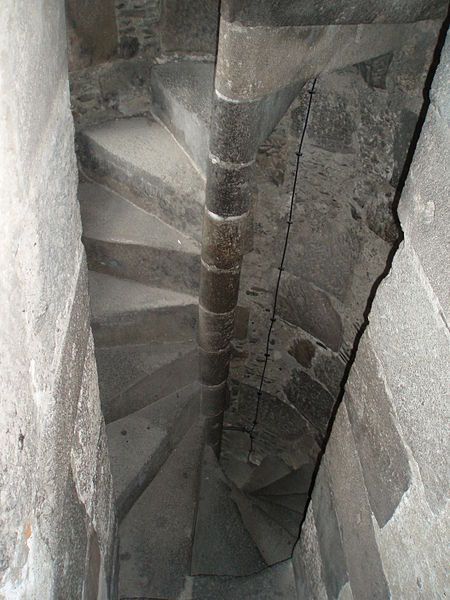
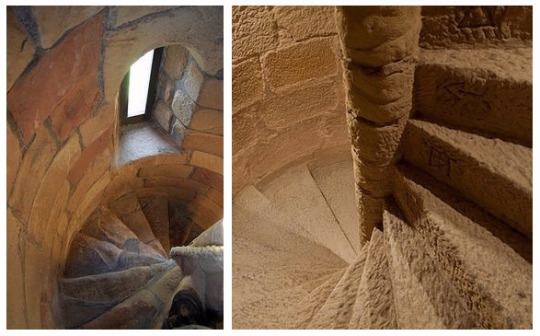
Not really the best illustration since it totally negates the effect by having a wide open space for those ascending. Castle tower staircases tended to look like this:
Extremely tight quarters, with a central supporting pillar that is very, very thoroughly in the way of your right arm.
Wider, less steep designs tend to come later once castles moved away from being fortresses to simply noble family homes with the advent of gunpowder.
Oh! Pre-gunpowder military tactics are my jam! I don’t know why, but this is one of my favorite little details about defensive fortifications, because the majority handedness of attackers isn’t usually something you think about when studying historical wars. But strategically-placed walls were used basically worldwide as a strategy to secure gates and passages against advancing attackers, because most of the world’s population is right-handed (and has been since the Stone Age).
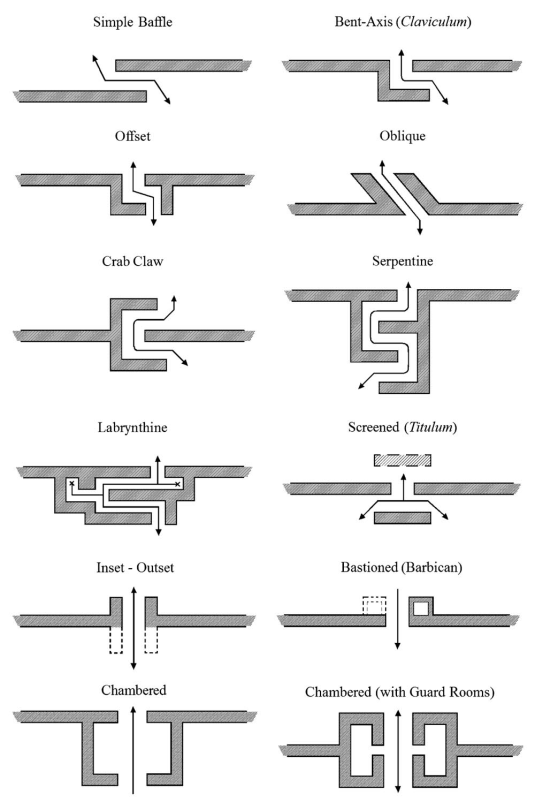
Pre-Columbian towns near the Mississippi and on the East coast did this too. They usually surrounded their towns with palisades, and they would build the entrance to the palisade wall in a zigzag – always with the wall to the right as you entered, to hinder attackers and give an advantage to the defender. Here’s some gates with some examples of what I’m talking about:
Notice that, with the exception of the last four (which are instead designed to congregate the attackers in a space so they can be picked off by archers, either in bastions or on the walls themselves) and the screened gate (which, in addition to being baffled, also forces the attackers to defend their flank) all of these gates are designed with central architectural idea that it’s really hard to kill someone with a wall in your way.
In every culture in the world, someone thought to themselves, “Hey it’s hard to swing a weapon with a wall on your right-hand side,” and then specifically built fortifications so that the attackers would always have the wall on their right. And I think that’s really neat.
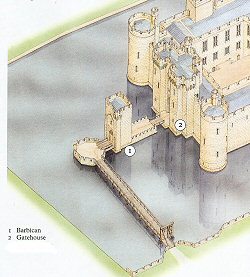
Ooh, ooh, also: Bodiam Castle in Sussex used to have a right-angled bridge so any attacking forces would be exposed to archery fire from the north-west tower on their right side (ie: sword in the right hand, shield on the useless left side):
These tactics worked so well for so long because until quite recently lefties got short shrift and had it trained (if they were lucky) or beaten out of them.
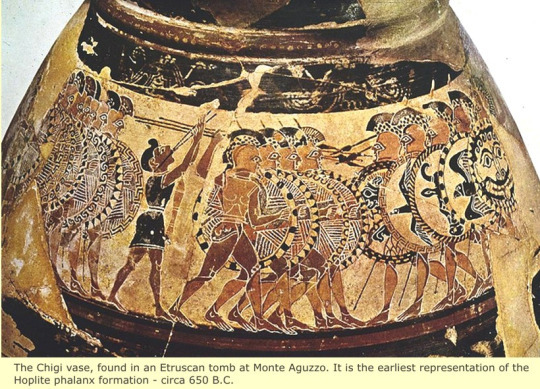
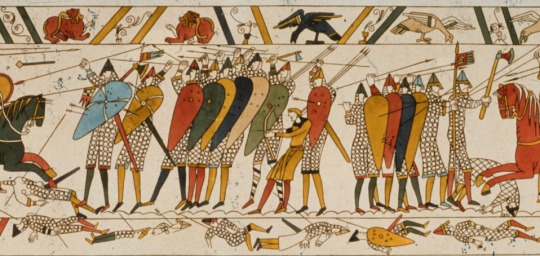
Use of sword and shield is a classic demonstration of how right-handedness predominated. There’s historical mention of left-handed swordsmen (gladiators and Vikings), and what a problem they were for their opponents, but that only applies to single combat.
A left-handed hoplite or housecarl simply couldn’t fight as part of a phalanx or shield wall, since the shields were a mutual defence (the right side of the shield covered its owner’s left side, its left side covered the right side of his neighbour to the left, and so on down the line) and wearing one on the wrong arm threw the whole tactic out of whack.
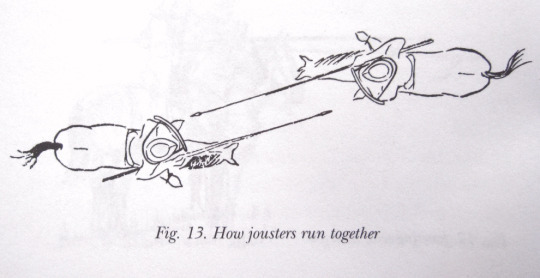
Jousting, whether with or without an Italian-style tilt barrier, was run shield-side to shield-side with the lance at a slant (except for the Scharfrennen, a highly specialised style that’s AFAIK unique.) Consequently left-handed knights were physically unable to joust.
The construction of plate armour, whether specialised tournament kit or less elaborate battle gear, is noticeably “right-handed“ – so even if a wealthy knight had his built “left-handed” it would be a waste of time and money; he would still be a square peg in a world of round holes and none of the other kids would play with him.
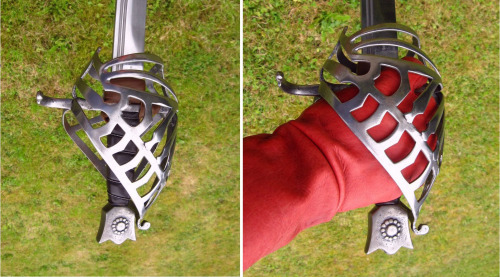
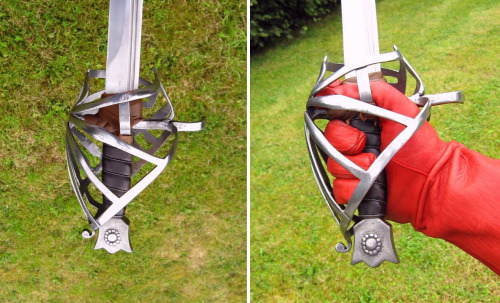
Even after shields and full armour were no longer an essential part of military equipment, right-hand use was still enforced until quite recently, and to important people as well as ordinary ones – it happened to George VI, father of the present Queen of England. Most swords with complex hilts, such as swept-hilt rapiers and some styles of basket-hilt broadsword, are assymetrical and constructed for right handers. Here’s my schiavona…
It can be held left-handed, but using it with the proper thumb-ring grip, and getting maximum protection from the basket, is right-handed only. (More here.) Some historical examples of left-hand hilts do exist, but they’re rare, and fencing masters had the same “learn to use your right hand” bias as tourney organisers, teachers and almost everyone else. Right-handers were dextrous, but left-handers were sinister, etc., etc.
However, several
predominantly left-handed
families did turn their handedness into advantage, among them the Kerrs / Carrs, a notorious Reiver family along the England-Scotland Borders, by building their fortress
staircases with a spiral the other way to the OP image.
This would seem to be a bad idea, since the attackers (coming upstairs) no longer have their right arms cramped against the centre pillar – however it worked in the Kerrs’ favour because they were used to this mirror-image of reality while nobody else was, and the defender retreating up the spiral had that pillar guarding his right side, while the attacker had to reach out around it…
For the most part Reiver swords weren’t elaborate swept-hilt rapiers but workmanlike basket-hilts. Some from Continental Europe have the handedness of my schiavona with thumb-rings and assymmetrical baskets, but the native “British Baskethilt” is a variant of the Highland claymore* and like it seems completely symmetrical, without even a thumb-ring, which gives equal protection to whichever hand is using it.
*I’m aware there are those who insist “claymore” refers only to two-handers, however the Gaelic term claidheamh-mòr
– “big sword” –
just refers to size, not to a specific type of sword in the way “schiavona” or “karabela” or even “katana” does.
While the two-hander was the biggest sword in common use it was the claidheamh-mòr; after it dropped out of fashion and the basket-hilt became the biggest sword in common use, that became the claidheamh-mòr.
When Highlanders in the 1745 Rebellion referred to their basket-hilts as claymores, they obviously gave no thought to the confusion they would create for later compilers of catalogues…
Also, muskets had their whole “Flint and steel and gunpowder” thing on the right side so if you tried firing it lefty you’d get a face full of fire. More recently, rifles eject their spent shell casings to the right, so if you’re a lefty you get some hot metal in your eye.



 wupacing