Thomas Heatherwick reveals Zeitz MOCAA art galleries carved out of Cape Town grain silo
Thomas Heatherwick has created South Africa’s biggest art museum – by hollowing out the inside of a historic grain silo building. Described by the British designer as “the world’s tubiest building”, the Zeitz Museum of Contemporary Art Africa, or Zeitz MOCAA, is set to become the world’s most important exhibition space for African art.
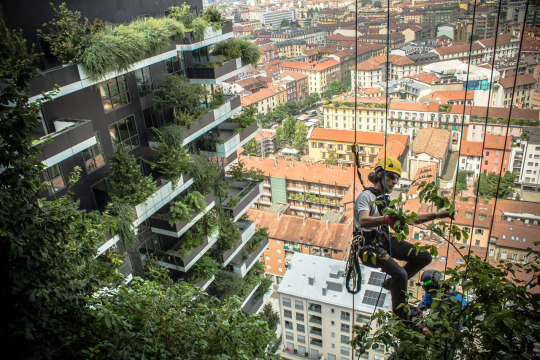
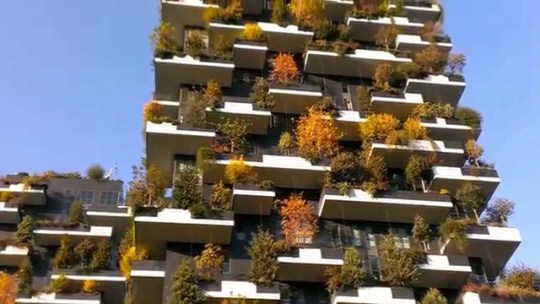
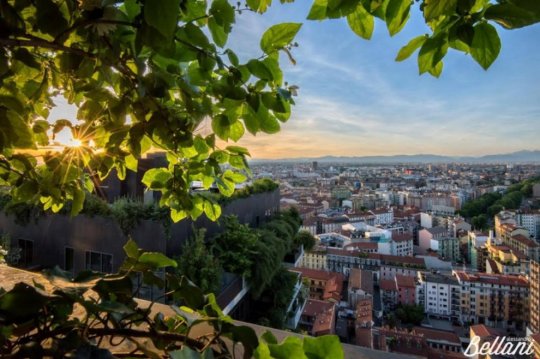
A vertical forest is expected to be completed this year in Milan. There are two tower apartment complexes which contain a total of 400 residential units. The facade of the buildings will be covered with 730 trees, 5,000 shrubs, and 11,000 perennial plants. It is expected to have the same ecological impact as 10,000 square meters of forest.
Aside from fighting smog and producing oxygen, the foliage is expected to provide insulation to the residential units.
It’ll be really cool to see how these trees grow in order to maximize access to sun, water, and nutrients. Also, a step towards a sci-fi solar punk future – I’m in.
I sure hope the structural engineers planned for the buildings to increase in mass as the trees grow.
Well, or else for maintenance labor to keep the trees rigorously trimmed to prevent too much increase in mass. Or both? (The wikipedia article says the engineering team consulted botanists and horticulturists in planning how much weight the buildings could bear, so it seems likely that the fact that trees grow would have come up.)
This is a pretty cool idea regardless and I hope they get it right. I wonder if anyone will do anything like this in New York.
This falls in the “I really hope they do it but I’ll believe it when I see it” category for me.
It’s been up for 2 years, inaugurated in October 2014, and still going strong. It’s won multiple awards.
So (according to the concept art book) as the Fellowship travels deeper into Middle Earth, the places they pass through become inspired by progressively older periods of history. The farther along you are in the story, the more ancient the design influences
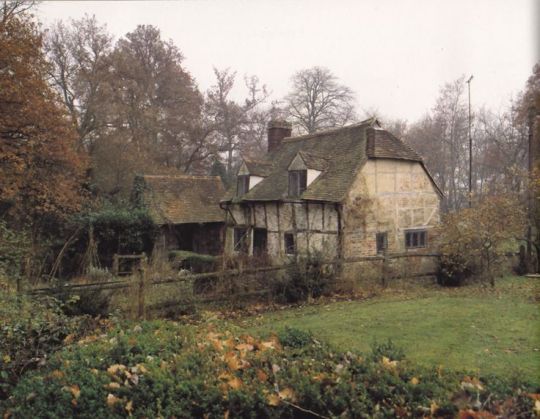
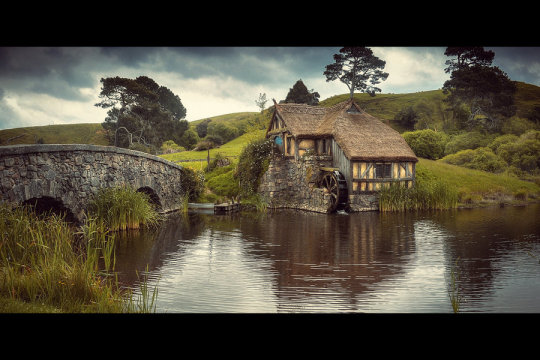
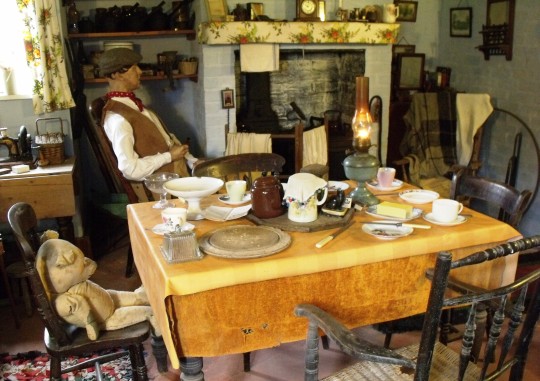
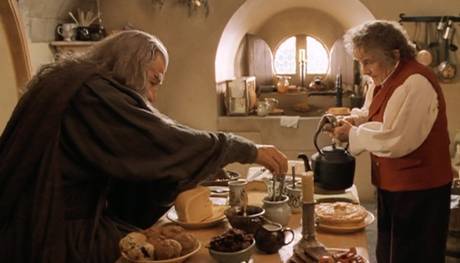
We begin in The Shire: which feels so familiar because, with its tea-kettles and cozy fireplaces, it’s inspired by the relatively recent era of rural England in the 1800s
But when we leave Hobbiton, we also leave that familiar 1800s-England aesthetic behind and start going farther back in time.
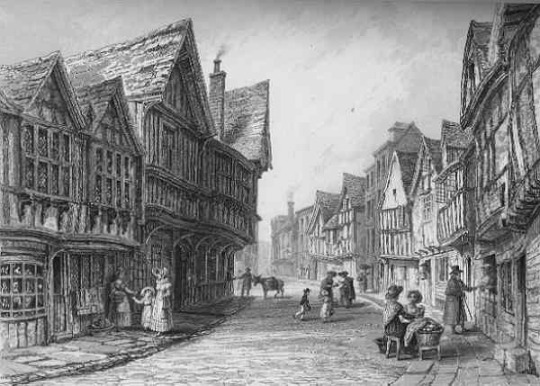
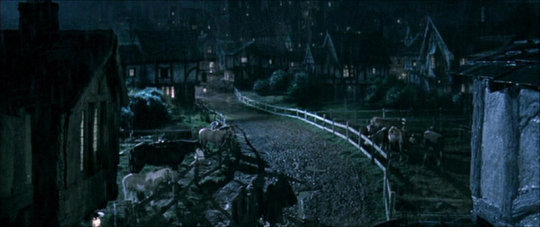
Bree is based on late 1600s English architecture
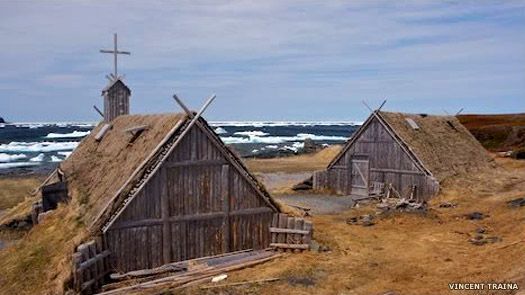
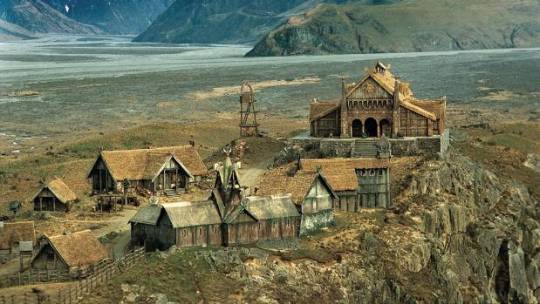
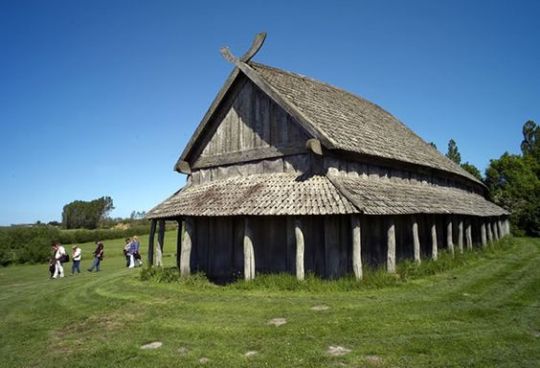
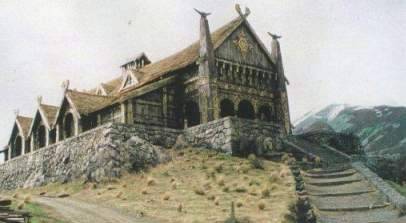
Rohan is even farther back, based on old anglo-saxon era architecture (400s-700s? ce)
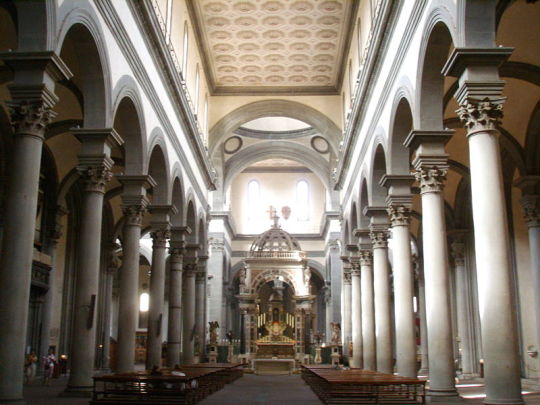
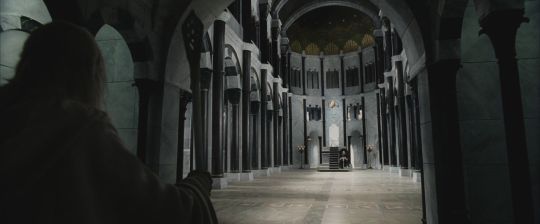
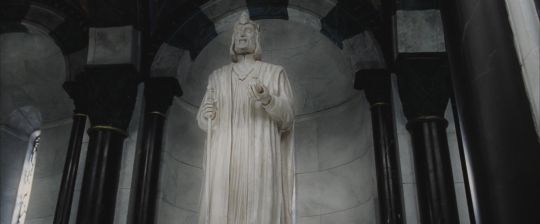
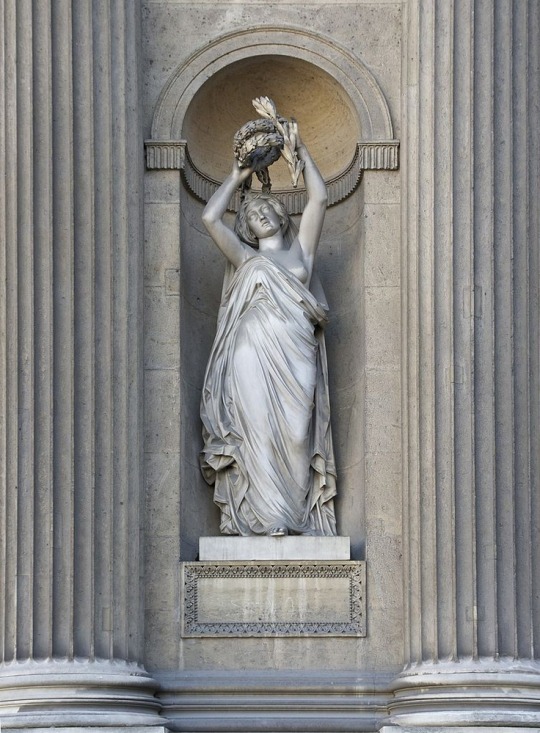
Gondor is way back, and no longer the familiar English or Anglo-Saxon: its design comes from classical Greek and Roman architecture
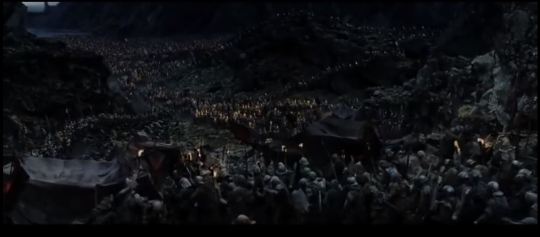
And far far FAR back is Mordor. It’s a land of tents and huts: prehistoric, primitive, primeval. Cavemen times
And the heart of Mordor is a barren lifeless hellscape of volcanic rock…like a relic from the ages when the world was still being formed, and life didn’t yet exist
And then they finally reach Mount Doom, which one artist described as
“where the ring was made, which represents, in a sense, the moment of creation itself”







 wupacing